What is toyohari? Japanese meridian therapy and its tools

Toyohari (東洋はり) is a Japanese style of meridian therapy (keiraku chiryō). It places great weight on pulse diagnosis and palpation and works with very gentle needling techniques, most of them non-insertive.
Origins
It is taught by the Tōyō Hari Igakkai (東洋はり医学会), founded in Tokyo in May 1959 by five blind acupuncturists, with Kōdō Fukushima as its first president. Until 1968 it was called the Tōkyō Koten Hari Igakkai. It was created for blind acupuncturists and today also admits sighted practitioners.
In Europe
The European Branch of the Toyohari Association (EBTA) runs the training in Europe, with Stephen Birch as Academic Dean. It has national branches, such as the SBTA (Spanish Branch of Toyohari Association), which hosted the 2024 EBTA European workshop in Barcelona.
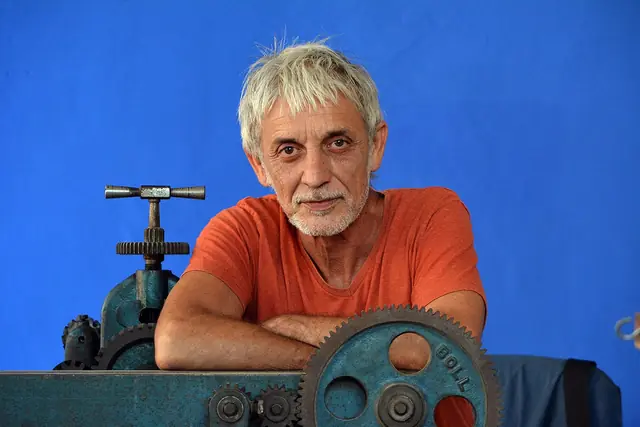
I began making toyohari tools in 2002 at the request of Stephen Birch and Miguel Ángel Cabrer. Today I show my work at the workshops held every year in different European cities.
Tools
- Teishin: one of the nine classical needles; it does not pierce the skin and is used for a range of contact techniques.
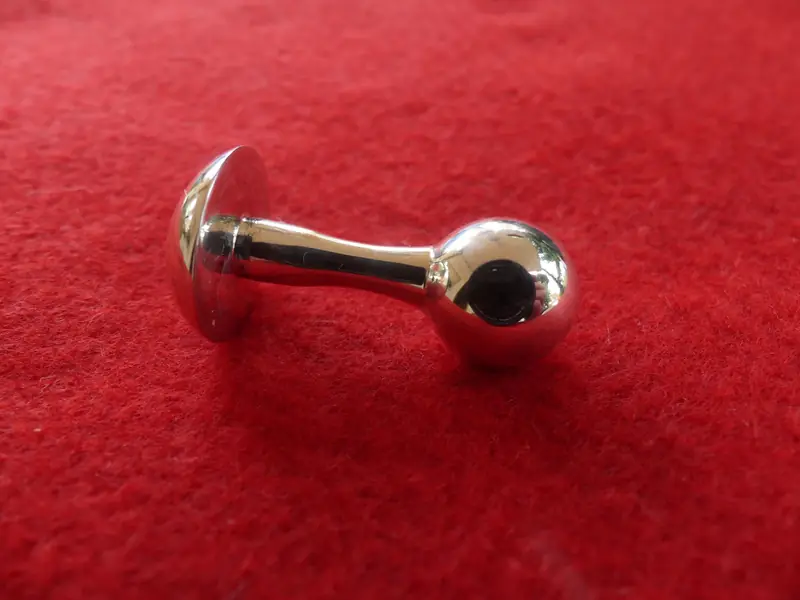
- Enshin: a rod with a spherical end for rubbing or pressing the skin.
- Shonishin tools: for Japanese paediatric acupuncture, which is also non-insertive.
The techniques are learnt through training. To find courses and practitioners, see the websites of the EBTA or the SBTA.
See catalogue and prices Place an order